
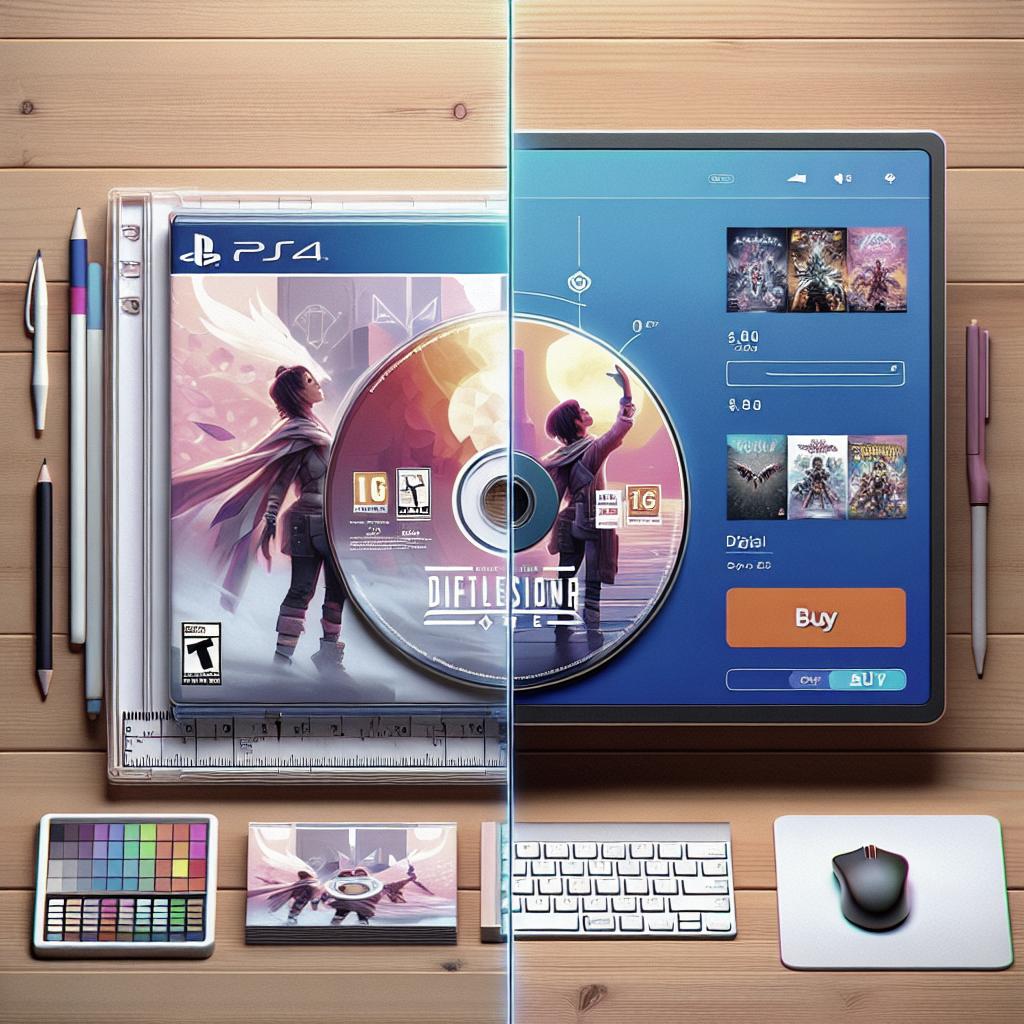
Understanding the Differences Between Physical and Digital Game Copies
The landscape of gaming has significantly evolved over the years, with one of the most notable developments being the shift from physical to digital game copies. While digital downloads have become increasingly popular, physical copies still hold a special place in the hearts of many gamers. In this blog post, we’ll dive into the key differences between these two formats. We’ll explore the advantages and disadvantages of each, from storage space considerations and aesthetics to resale value and long-term ownership. Whether you’re a collector or prefer instant access, understanding these differences can help you make informed decisions about how to build and manage your game library.
Digital vs. Physical Games
In the digital age, the convenience and accessibility of digital games have made them the preferred choice for many gamers. With just a few clicks, players can download their favorite titles straight to their devices, eliminating the need to visit a physical store. This immediacy is particularly appealing for those who want access to games as soon as they are released.
On the other hand, physical games provide a tangible experience that digital copies simply cannot replicate. Collectors, in particular, cherish the physical presence of game boxes, booklets, and cover art. For these individuals, owning a physical copy is akin to possessing a piece of gaming history—a feeling that a digital file cannot evoke.
Are Physical Games Still A Thing?
Despite the digital revolution, physical games still have a strong presence in the gaming industry. While it’s true that digital copies are rapidly gaining market share, many major game releases continue to be available in physical formats. Certain collectors’ editions or special releases even come with exclusive content or merchandise that isn’t offered in the digital version.
The appeal of physical games lies in their collectibility and potential investment value. Limited edition releases can appreciate in value over time, making them attractive to collectors and investors alike. This aspect of collecting physical games remains a significant draw for many enthusiasts who view their collections as both personal treasures and potential financial assets.
You can save space on your device
One of the most notable advantages of physical games is that they don’t consume digital space on your device. As game file sizes continue to grow, storage concerns are becoming increasingly prevalent among gamers. Opting for physical copies can help alleviate these worries by ensuring that the bulk of the data resides on the disc or cartridge, rather than occupying precious hard drive space.
For gamers with limited storage, physical games are a practical option that allows them to enjoy their favorite titles without constantly juggling data management. Although some installations or patches may still be required, the overall space required is often significantly less than an entirely digital download.
They look great on your shelf (and sometimes come with bonuses)
There’s a certain satisfaction that comes with displaying your collection of physical games on a shelf. They serve as both a visual representation of your gaming journey and an impressive piece of interior decor. The aesthetics of physical copies give them an edge over digital versions, which remain hidden in the virtual world.
In addition to their visual appeal, physical games sometimes come with added bonuses. Collectors’ editions, for instance, may include art books, soundtracks, or figurines, adding tangible value to your purchase that digital copies cannot match. These extras can enhance the overall gaming experience and make for memorable additions to any collection.
You can lend them to friends
One of the time-honored benefits of owning physical games is the ability to lend them to friends and family. This social aspect of gaming fosters a community spirit and enables players to share their favorite titles. Swapping games or borrowing a friend’s latest acquisition are experiences that digital copies cannot replicate due to strict licensing agreements and digital rights management.
Sharing your physical collection can lead to meaningful discussions and exchange of opinions, further enriching the gaming experience. Moreover, lending games can introduce others to new genres or series, potentially expanding their interests and enjoyment in the gaming realm.
You can sell them when you’re done
The resale value of physical games provides another distinct advantage. Once you’ve completed a game or simply lost interest, you have the option to sell it, recouping some of your investment. A robust secondary market for used games exists, offering gamers the chance to offset costs associated with building a new collection.
Digital games, on the other hand, are typically tied to your account and cannot be sold or transferred, thus limiting the opportunity to recover any funds spent. This lock-in can be a deterrent for budget-conscious gamers who wish to continuously refresh their library without enduring significant financial loss.
Long-term ownership
Physical games often offer assurances of long-term ownership that digital versions cannot promise. As digital platforms and marketplaces evolve, there is a risk of losing access to your library due to platform shutdowns, account issues, or changes in licensing agreements. With physical copies, you retain ownership regardless of external changes or market dynamics.
For collectors and enthusiasts, knowing that their investment in a physical collection stands independent of digital services is comforting. This sense of ownership ensures that you can play your games long into the future, provided you maintain the necessary hardware to support them.
Share
The ability to share physical games is increasingly rare in the digital landscape, where licensing restrictions prevent easy exchanges. While some digital platforms offer limited family sharing options, they often come with specific stipulations and restrictions. Physical games, in contrast, can be freely shared without adherence to such constraints, allowing for a more flexible and open experience.
This flexibility fosters closer connections within gaming communities and families, as individuals can easily share their cherished titles with others. By circulating games within your social circle, you’re able to create shared experiences and encourage engaging discussions as friends and family embark on new gaming adventures.
The Future Of Gaming
The future of gaming appears to be progressively leaning toward digital formats, particularly with the rise of subscription services and cloud gaming platforms. These innovations promise unprecedented convenience and accessibility, allowing gamers to stream or download titles without physical hardware constraints. As technology advances, digital gaming offers opportunities for richer and more immersive experiences.
Despite these strides, physical games will likely continue to hold a niche market for collectors and enthusiasts who prize the tangible and collectible aspects of their hobby. As the industry evolves, it’s crucial for both physical and digital formats to find a balance that accommodates varying player preferences and preserves the rich diversity within gaming.
Final Thoughts
| Aspect | Digital Games | Physical Games |
|---|---|---|
| Storage | Consumes device space | Saves device space |
| Aesthetics | Invisible, no display | Visually appealing collection |
| Sharing | Limited by licensing | Free to lend or borrow |
| Resale | Non-transferable | Can be sold or traded |
| Ownership | Account-dependent | Independent ownership |